When I was first diagnosed with CSID–I knew absolutely nothing about the food and nutrition world. I didn’t even know how to read a nutrition label and had to get a lot of assistance in those first few months of navigating the disease.
I’ve always felt slightly embarrassed about asking for help, and that didn’t change with a CSID diagnosis.
I soon learned that it’s okay to ask for help, and it will help you heal faster if you do. Down the line, you might be able to eat things every once in a while that you didn’t think you could, but please be advised that you should always work with a specialist or consultant to make sure your diet is right for you.
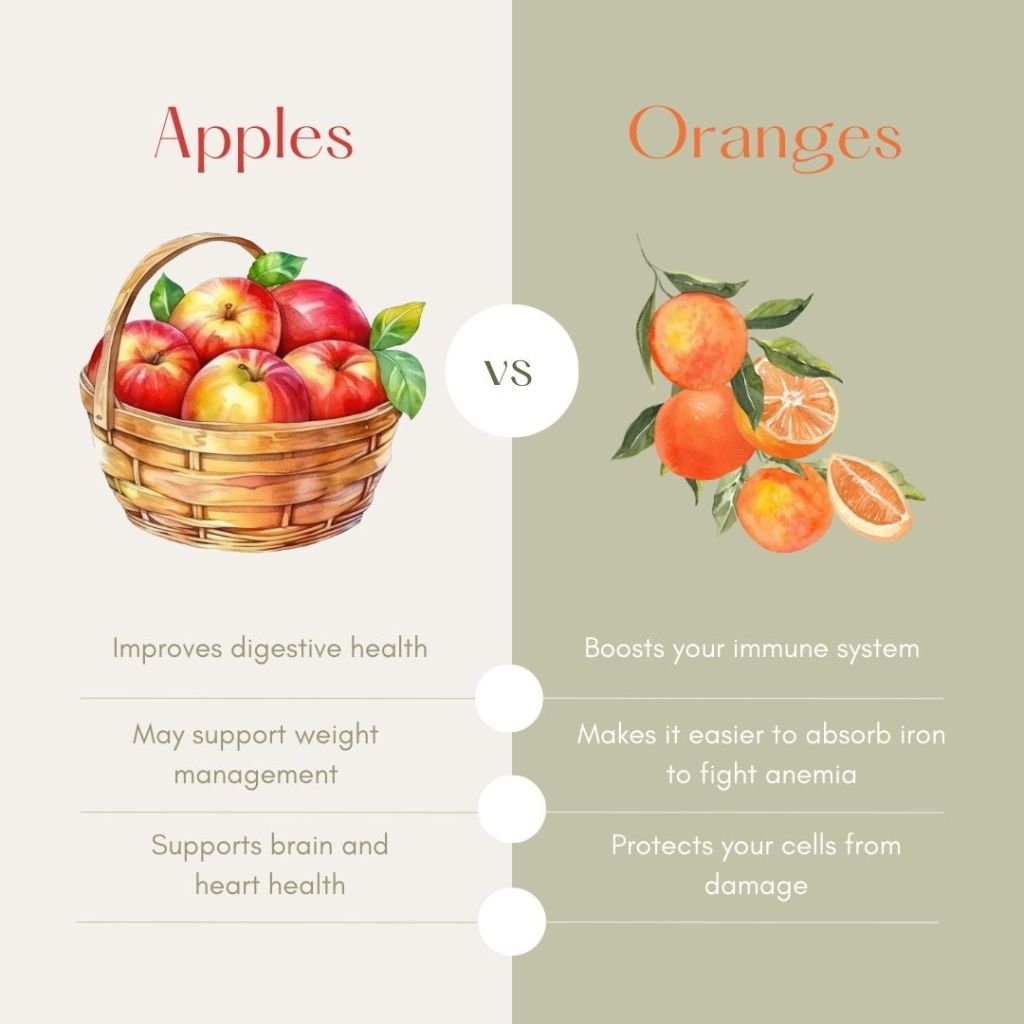
The first thing my dietician told me was that standard American fruits you were used to eating, like apples, oranges, and bananas, would be off the table (especially during the elimination phase of the diet). I definitely remember sobbing over not being able to eat a slice of apple pie–those were dark times, for sure.
I worked with my dietician for a really long time to get through the elimination diet. I found I couldn’t eat certain fruits without extreme stomach pain, but there were some strange outliers that my stomach decided were okay: in moderation, of course.
These fruits included granny smith apples and tangerines.
I decided one day to check out the USDA food data search to do a deeper dive into what the apples and oranges were made of. It’s my go-to resource for finding foods that might work for my specialized diet, and I’m always a fan of more data and having free access to it.
Here’s what I pulled from the website on different types of apples and oranges:
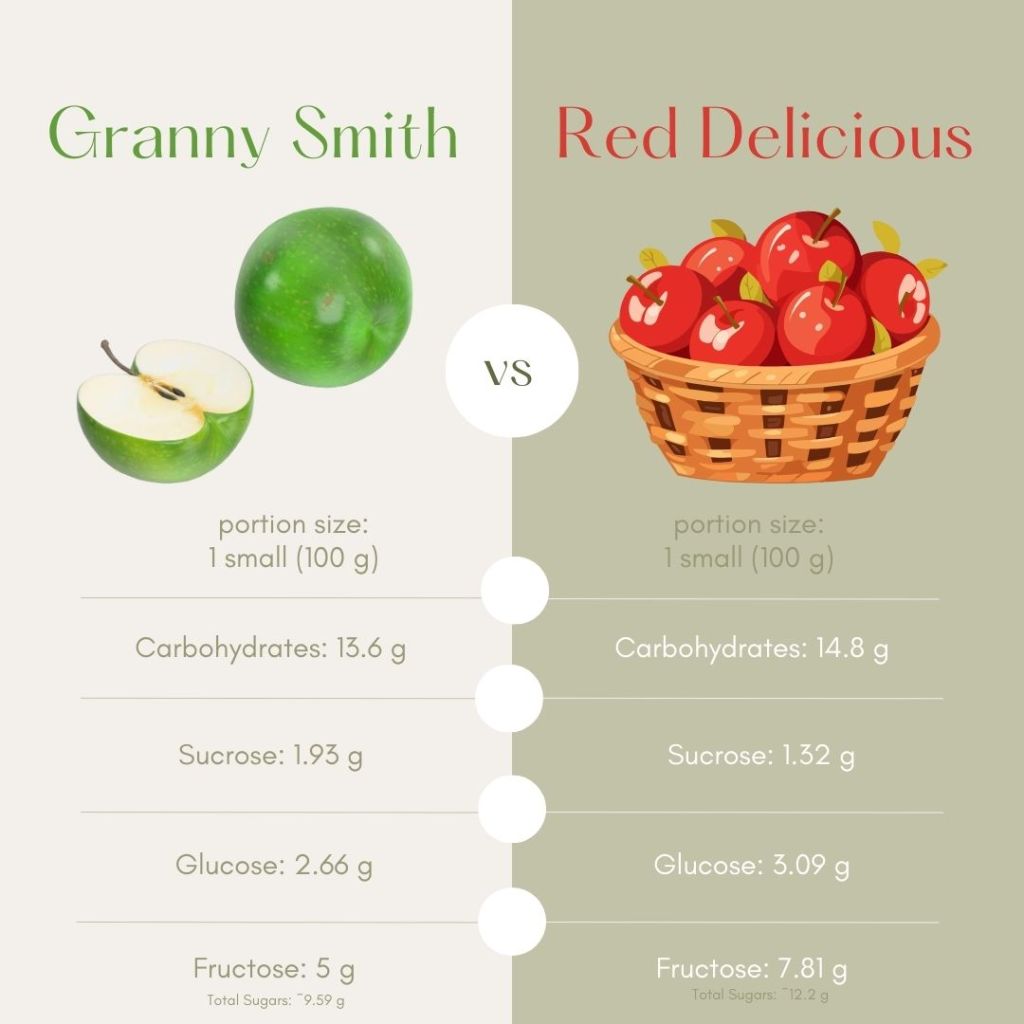

By no means should you go around eating a lot of these fruits; as I said, I kept a food journal for weeks documenting all of my symptoms from certain fruits and worked with a dietary specialist. I think it’s important to have access to any and all information we can get our hands on when navigating a disease. The portion sizes in this data are extremely small (smaller than an entire fruit), which really gives you an idea of how much starch and sucrose they’re made up of.
Please share what fruits you’ve tried that you thought were on the CSID do-not-eat list but actually seemed to be okay for you. I always love to hear your stories and any suggestions you might have!
Until next time, CSIDers, stay well and stay healthy.
You’ll go a bit bananas over my next post!
 Sugar and Starch Free, No Problem
Leave a comment