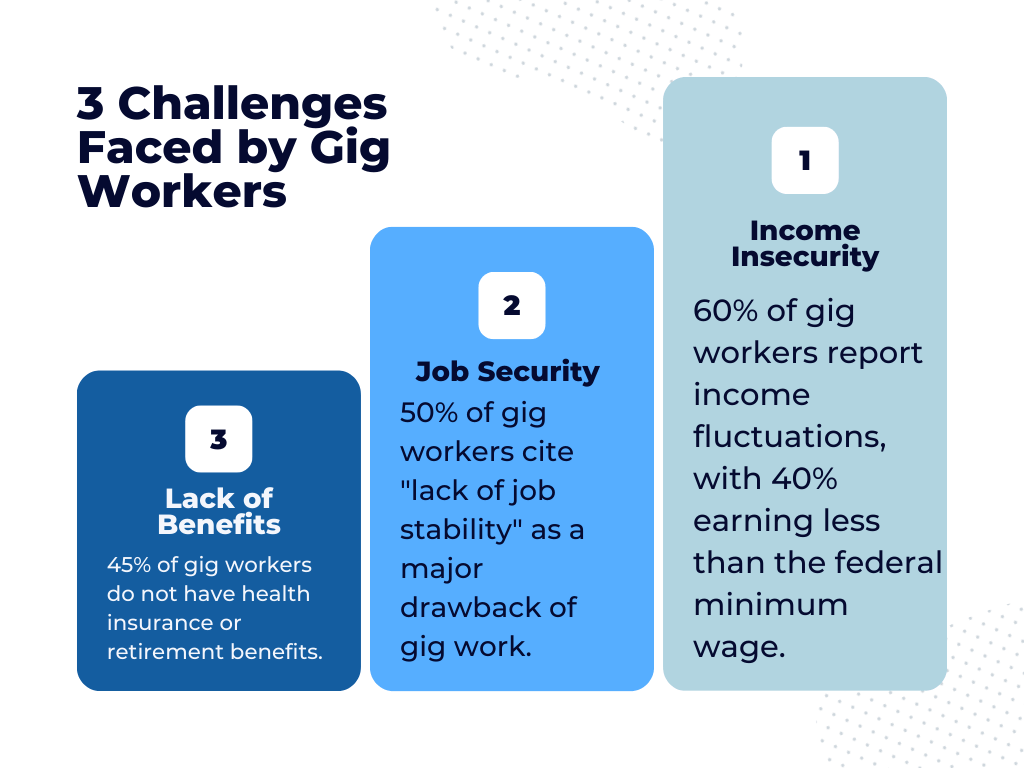
In today’s gig economy, freelancing has become a popular and often necessary career path for many professionals. Ninety-four percent of freelancing gigs accounted for employment growth from 2005 to 2015, and I’m sure that number has only risen since then. Almost all jobs created since 2005 are temporary.

I’ve been using freelance platforms like Upwork since they were first introduced in 2013, and in the 10+ years that they have existed, there has been a lot of change, including the addition of Upwork Plus, which is a subscription-based service that is great for the company but it isn’t so great for the freelance community. The increasing demand for freelance work has created an environment where many freelancers face exploitation and are being taken advantage of (especially anyone new to the freelancing world). The biggest problem is that freelancers often need help to receive fair compensation for their expertise and time and that many of their services, with the rapid increase in AI use, have actually created an undervaluation of their services and work. Why would we pay a human to write a blog post when we can ask AI to do the same thing at absolutely no cost? Business tactics like these create lowball offers and “race to the bottom” pricing negotiations.
I’ve worked with many clients who expected high-quality work at rock-bottom rates, and they have completely disregarded the amount of time it takes to research and accurately source material for content that is actually factual and fun to read for their followers. To make matters worse, not only do I need to be an expert at content creation, but I also need to be a graphic designer, SEO specialist, and data scientist. The list goes on.
At the end of the day, all of this creates an imbalance of power, where freelancers are now forced to accept subpar pay to remain competitive in a crowded market (which has only become more crowded since COVID-19.) On top of this, freelancers are also forced to manage their own taxes, health insurance, and retirement savings, which further reduces what little take-home pay they receive from clients.
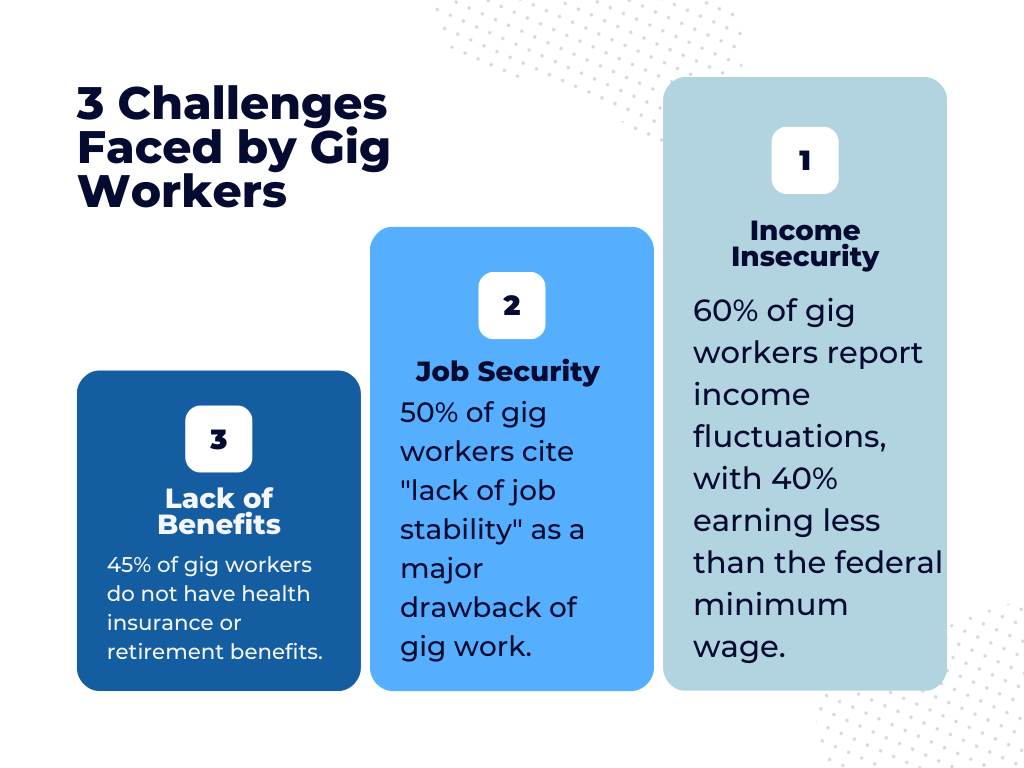
I’ve heard from many friends that it must feel great and empowering to work for yourself. While there’s undeniable freedom to freelance work, there is also a growing prevalence of unfair practices that become red flags for the future of gig work.
If companies and businesses don’t recognize the value freelancers can bring to their projects and be willing to pay accordingly, we need protection for better labor standards and fairer compensation structures for not just full-time employees but also for contract and freelance employees put in place. Without reform, freelancers will continue to be taken advantage of despite their impact on modern industries… Ultimately, AI systems and algorithms can only contribute so much to innovation and new ideas.
.
 Sugar and Starch Free, No Problem
Leave a comment