In 2013, I had my first panic attack episode while on vacation with my parents for my birthday. It was one of those uncomfortably hot days that I couldn’t keep my body temperature regulated even if I wanted to but then to add these sudden thoughts of impending doom and having a moment where it felt like someone was choking me and I couldn’t get enough oxygen.
The moment didn’t last very long (honestly, just a minute or two) but it felt like an eternity. I remember vividly my parents talking to me about dinner plans and me responding as if everything was normal. I said, “I’m not feeling well I’m going to go to the bathroom,” During that time, bathroom breaks were part of most of my existence because anyone who has CSID understands this so it wasn’t anything out of the ordinary. I blamed a stomachache and told my parents to go to dinner without me that night. They did and brought me back something to eat in a to-go box.
That was my first panic attack followed by a succession of panic attacks more frequently, almost to the point where I couldn’t even go into a public place without the fear of having a panic attack and then starting the whole cycle over again. After a month, I finally broke down and went to the family doctor, and I talked to them about what was happening. I didn’t know at the time that what I was experiencing was panic disorder. He put me on some medication that he had some of my family on for their diagnosis: Bipolar disorder and OCD. The problem here is that he looked at the exact dosage of what he was giving my other family members, and he gave me that same dosage, and I’m not going to lie I have never felt more disassociated and in what I call the gray zone than at that time and to make matters worse while the panic attacks had stopped I don’t really think the anxiety had stopped. It was just waiting.
I dug into different ways to solve my anxiety problem: therapy, meditation, and nature walks. ALL of which helped me more than the medication, and while I know this isn’t true for a lot of people it was what worked for me.
The problem was that I would for a really long time have PANIC DISORDER stamped on every medical record that a doctor or any medical professional saw, and so when I went to see doctor’s for health concerns after this I was never really taken seriously.
I would be asked if I was still continuing with the medication, and mostly after doctor visits it felt like my symptoms were all in my head. I would list my symptoms: severe stomach pain that would last days, frequent UTIs resulting in kidney infections (4 times a year and sometimes more often), obvious stomach distention, iron deficiency, brain fog and memory problems, joint pain, skin rashes, dizziness, constipation. The one symptom I never talked about was anxiety because I learned quickly that the mere mention of the word created a stigma in the room. A stigma where I suddenly lost all credibility even though I had very real physical symptoms that had been documented on paper.
On the outside, I looked like I had everything together (great job, high academic marks, wonderful and caring partner, and a fantastic support system) but my diet was incredibly poor to cope with how I was feeling on the inside. I had after all completely relied on the Standard American Diet (SAD) without even considering that the food I was eating was the real problem. Red meats, refined grains, sugary drinks and foods, and fried foods had made me actually ill… and no, it wasn’t just in my head. I had been to the ER and countless doctor appointments from 2013 to 2020. That’s almost 7 years of being told I had nothing wrong and not understanding what was happening because I knew the physical symptoms I was feeling weren’t fabricated.
In 2018, this was my worst year when it came to healthcare I had reached a breaking point where I just wanted to give up but I had a great GP who kept pushing me to see specialists. I agreed to go to the gastroenterology department to see someone and while I was finally in the right department, I was unlucky to have the wrong specialist at the time.
He came into the appointment jotted down some notes, but he didn’t listen to me or take my concerns seriously. In fact, he stated that I was a young and healthy individual and that most of his patients were much older so he wouldn’t recommend a colonoscopy at this time to inspect anything further but if things got worse to come back. He diagnosed me with IBS and then handed me pamphlets on the FODMAP diet plan. It was the first time I had actually been stunned at a doctor’s appointment. I’d love to talk more about the IBS-C diagnosis and the FODMAP diet but I’ll save that for another post.
I gave up for a long time after this incident until the COVID pandemic. I still was going to the doctor’s office for the frequent UTIs I had, but I stopped going for any of the other things. It felt pointless, and I felt like a fraud at that point. A fraud who was just making things up because maybe I was just anxious and maybe the PANIC DISORDER label was more accurate than I wanted to believe?
During the pandemic, I turned to food and alcohol again as a coping mechanism for dealing with the anxiety I was feeling inside. I don’t drink heavily but even a little alcohol can cause inflammation to become worse, and we won’t even talk about how I felt after I ate sugar and fried foods.
There were three days where I think I laid in bed or in the bathroom feeling so sick to my stomach and on top of that just itching so bad that I felt like I’d rip my skin off. But I didn’t have hives I just had these red bumps all over my stomach and arms that wouldn’t go away. The worst part was the bathroom, I was having blood in my stool basically on a daily basis. I finally made an appointment to talk to my GP, and he recommended I go to the gastroenterologist again. I gave him the story of what had happened last time and so he recommended a different gastroenterologist who actually ended up helping me find my CSID diagnosis. This gastroenterologist listened to me and suggested I do an endoscopy/colonoscopy even though I was only 30 just to rule anything out.
He didn’t make me feel crazy, and at the end of the day what more could you want from our healthcare system?
I’ve been on a restricted diet eating low-starch and low-sugar for 4.5 years and my life has drastically changed for the better. I can think clearly, I have more energy, I don’t suffer from excruciating and debilitating stomach pains or frequent and painful UTIs and kidney infections, and I feel like I’m a whole person and not just half of a person now. Eating a restrictive diet is really hard and sometimes I feel strange when I have to decline food or drinks with too much sugar from people but it does get easier over time. I remind myself that staying on track with this diet means I’m putting myself and my own health first and there’s nothing wrong with that.
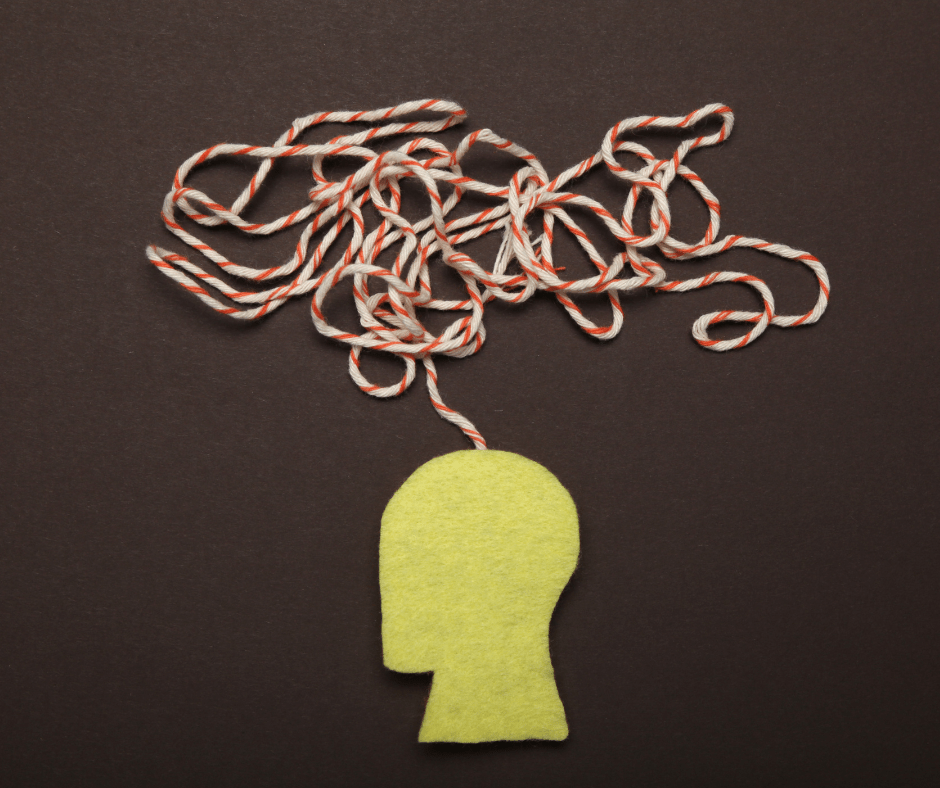
Remember: Your mind is a powerful and often misunderstood tool that can be used against you (especially by our healthcare system) if you’ve been diagnosed with anxiety or any other mood disorder.
YOU are not crazy. BE your own advocate.
CSID resources:
Facebook: https://www.facebook.com/groups/783431485899733
Instagram: https://www.instagram.com/csidrecipes/
 Sugar and Starch Free, No Problem
Leave a comment