How many times have you been to the grocery store and checked a nutrition label to spot those two words in big, bold print: “High Protein”?
When you’re managing your diet and living with CSID (Congenital Sucrase-Isomaltase Deficiency), that label might be hiding more than just excess hidden sugar underneath it.
Protein washing is a sly marketing tactic that makes the extra protein content of foods appear beneficial while concealing ingredients that may cause digestive distress. One thing that I’ve turned to since my diagnosis is protein bars, but they sometimes contain added starches, hidden sugars, and sugar alcohols that aren’t always CSID-friendly.
Why is Protein-Washing Bad for Consumers?

Protein is an essential component for repairing muscle and maintaining overall health, but consuming too much of it can cause issues, especially for individuals with digestive conditions like CSID.
Too much protein can create a strain on our kidneys. It can lead to dehydration, or crowd out vital nutrients like fiber and antioxidants. It can even lead to unwanted weight gain due to excess calories stored as fat. Balance is always key when it comes to our health goals and nutrition.
Protein isn’t regulated by the FDA, especially not terms like “high protein.” So, a snack that claims to have only 5g of protein can wear the label with pride as easily as a snack with something like 30g of protein (which would be more than half of our required daily protein intake for the average adult). If you want high-quality protein for muscle support and to feel satiated, consider whole-food sources.
What are some words that those of us with CSID should watch out for?
- Maltodextrin, inulin, and fructooligosaccharides (FOS) — these are often added to “health” snacks and hard to digest.
- Sucralose or other artificial sweeteners may also be hidden ingredients in protein powders or “sugar-free” bars.
Better CSID-friendly options high in protein?
- 🥚 Boiled eggs
- 🐔 Grilled chicken
- 🧀 Hard cheeses
- 🫘 Plain edamame (if tolerated)
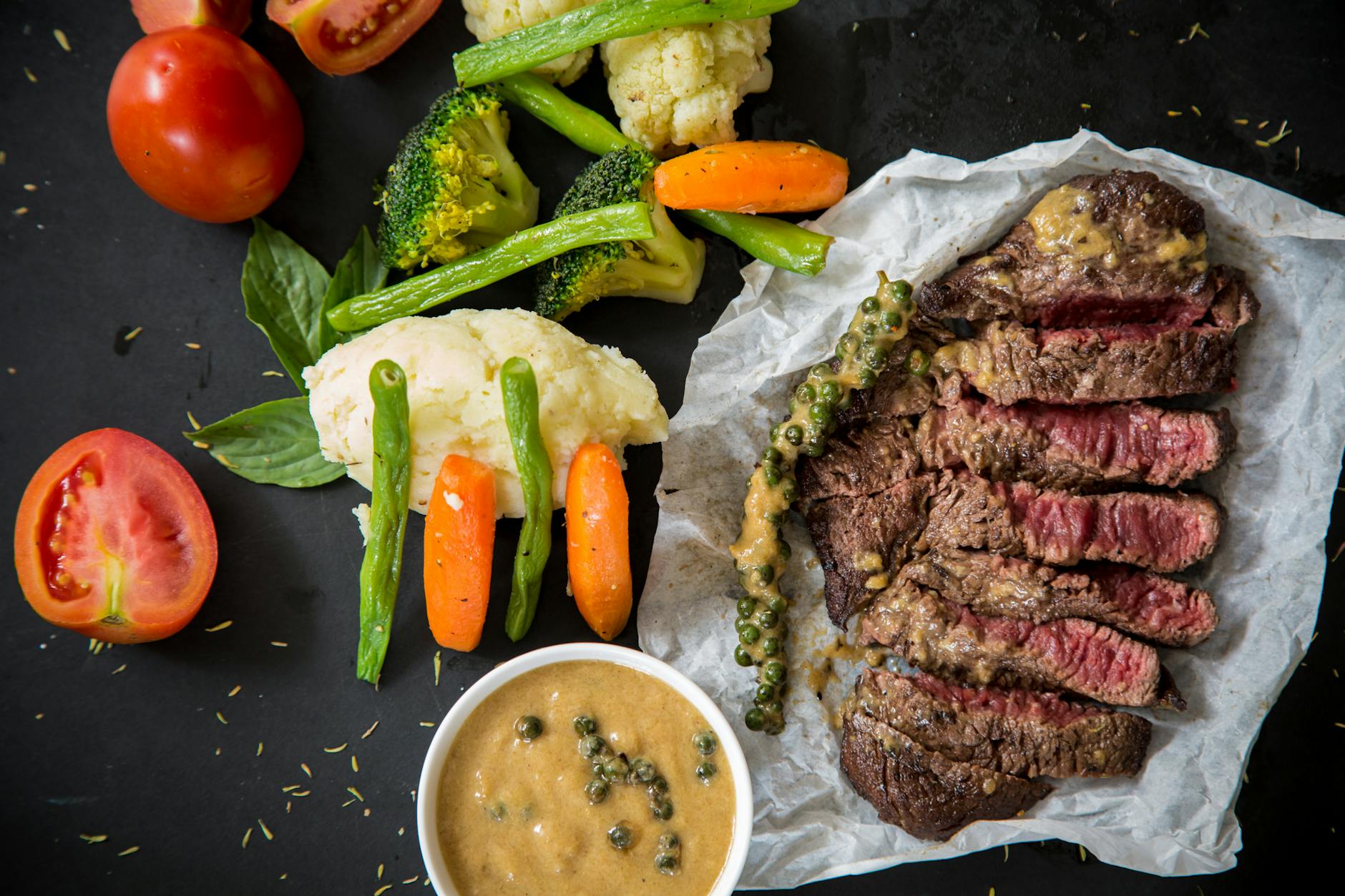
These are whole food sources that can offer real protein without any marketing gimmicks, so you’ll have less chance of a CSID flare-up. Hopefully, next time you’re at the grocery store, you can steer clear of products using protein-washing on nutrition labels because your gut (and health) will thank you!


Leave a Reply