If you have spent any significant amount of time in the gut-health world, you have probably heard about Metamucil. But is this stuff the holy grail it’s been made out to be?
Let’s unpack the science behind inulin, one of the most studied prebiotic fibers in existence.
What Is Inulin?
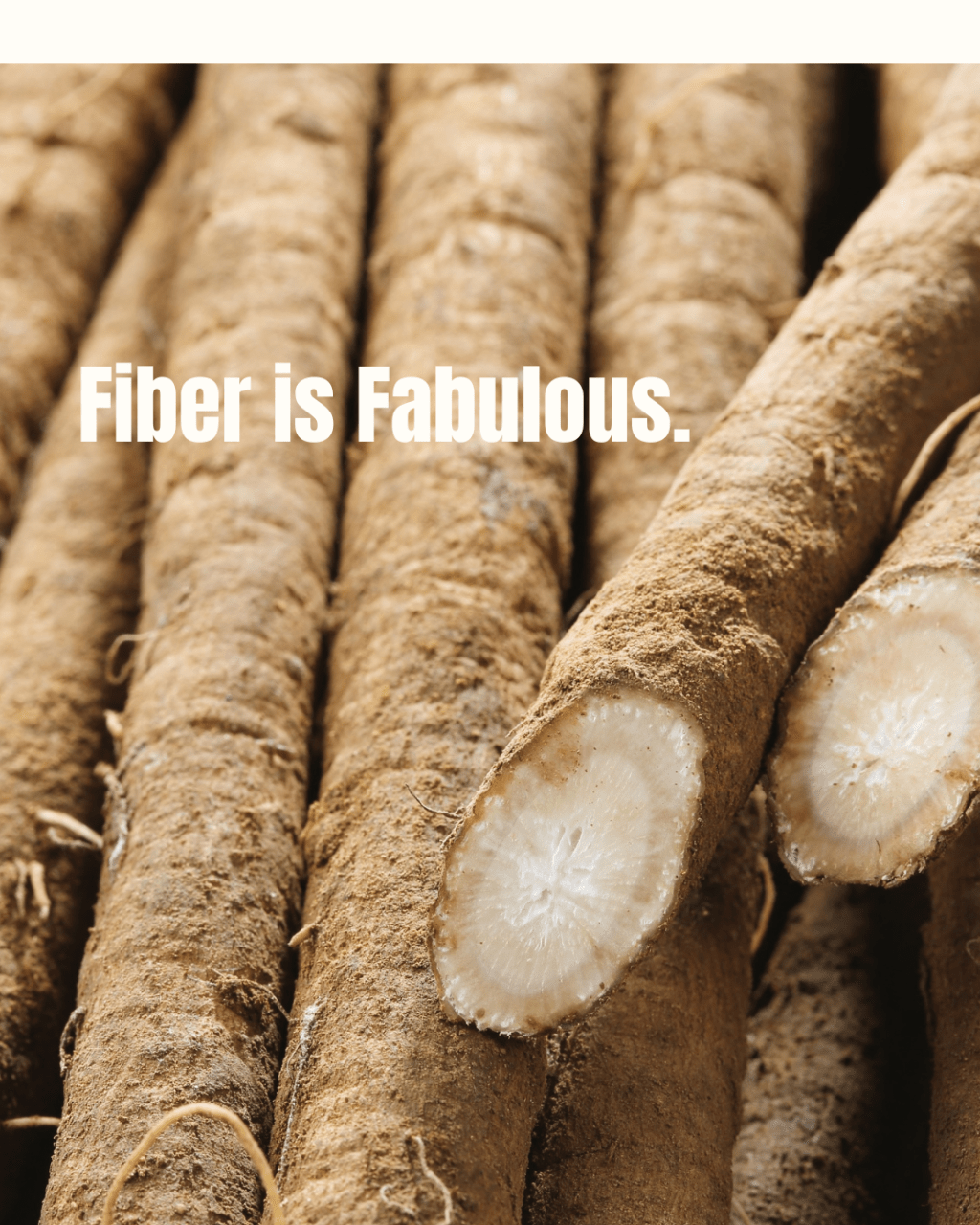
Inulin is a soluble, fermentable fiber that’s found in around 36,000 plant species; chicory root and Jerusalem artichoke are the richest sources. Inulin resists digestion in the small intestine (unlike many carbohydrates), so it can travel intact to the lower gut where it feeds beneficial bacteria. These microbes can then ferment that inulin into short-chain fatty acids (SCFAs) like butyrate, which help nourish our colon cells, reduce inflammation, and support overall immune function.
Clinical research has shown that doses as low as 5–8 grams per day meaningfully increase bifidobacteria populations, with additional benefits emerging at 8+ grams. Studies across diverse populations — from adolescents to the elderly — have linked inulin supplementation to improved calcium absorption, modest reductions in post-meal blood sugar and cholesterol levels, and even weight-management support at higher doses of 10–20 g/day.
For CSID readers: Inulin is a fructan, which means it’s a FODMAP. While it’s an excellent prebiotic for the general population, some CSID patients find even small amounts trigger gas, bloating, or diarrhea. Teeccino’s roughly 600 mg per cup may be tolerable for some, but test cautiously if you’re sensitive to high-FODMAP foods. As always, your mileage may vary — and that’s okay.

Metamucil vs. Natural Fiber: What the Research Says
Now, to answer the question on whether or not Metamucil is the holy grail.
Psyllium husk isn’t necessarily a bad fiber. It’s a gel-forming, non-fermentable fiber that’s clinically proven to lower LDL cholesterol and improve regularity at about 7 g/day. But there’s a catch. Psyllium works primarily by absorbing water and adding bulk to stool. It means it’s not a significant prebiotic, since it doesn’t selectively feed beneficial bacteria like bifidobacteria the way inulin does.
There’s also research highlighting the food matrix effect, where whole foods deliver fiber alongside proteins, fats, phytochemicals, and complex structures that help create a diverse ecosystem in your gut.
The American Gut Project found that eating over 30 different types of plants per week was associated with higher microbial diversity, and that isolated fiber supplements tended to shift the microbiome toward a narrower population set without increasing diversity.
There’s also limited clinical data on what the long-term efficacy of single-fiber supplements looks like, so the thought is that a whole-food fiber source will support a broader and more resilient gut microbiome. While Metamucil can help support and fill gaps, it shouldn’t be your only fiber strategy.
Teeccino Might Be a Good Alternative but Also Comes with Downsides
Teeccino is a caffeine-free herbal coffee alternative whose prebiotic benefit comes from chicory root inulin, one of the richest naturally occurring sources of fiber. A brewed cup yields roughly 350–650 mg of inulin depending on the blend. That’s a modest amount — you’d need 8–15 cups to hit the clinically meaningful 5 g threshold. So while Teeccino is a genuinely pleasant way to incorporate some inulin into your routine (especially if you’re avoiding caffeine), it’s more of a complementary sip than a therapeutic dose of fiber.
One reason I mention it is that I’ve found it to be a great addition to a solid fiber strategy that includes more naturally occurring plant-based sources in my own diet, and my own CSID tolerance to a cup or two of it has been really successful.
Is it “better” than Metamucil? Different, yes. It isn’t necessarily better though and it depends on the goal. If you’re looking for prebiotic nourishment for your gut bacteria, Teeccino’s inulin has the right mechanism. If you need a reliable stool-bulking agent, psyllium is more effective. Ideally, neither replaces the diversity you would get from eating a wide variety of fiber-rich whole foods — chicory, onions, garlic, leeks, asparagus, bananas, and Jerusalem artichokes are all excellent natural inulin sources.
The Bottom Line
Fiber diversity matters more than any single supplement. Whole foods will always win because they deliver fiber in a complex matrix that nurtures a thriving, diverse microbiome. Inulin from natural sources is one of the best-studied prebiotics available, and products like Teeccino offer a tasty way to get a little extra — but think of them as a complement to, not a replacement for, a fiber-rich diet.
Just a reminder that I am not a medical professional and that you should always talk to a registered dietitian or a medical expert before trying any new diet or making a significant change in your lifestyle.
Research & References
- Inulin overview, benefits, and risks — Medical News Today
- Inulin Studies in Humans: Overview of Health Benefits — U.S. Pharmacist
- Fiber and Prebiotics: Mechanisms and Health Benefits — PMC/NIH
- Health Effects and Mechanisms of Inulin Action in Human Metabolism — MDPI/Nutrients
- Immunomodulatory effects of inulin and its intestinal metabolites — PMC/NIH
- Fiber supplements aren’t one-size-fits-all, study shows — Stanford Medicine
- Fiber and the microbiome: the food matrix matters — Gut Microbiota for Health
- High-Fiber, Whole-Food Dietary Intervention Alters the Human Gut Microbiome — ASM Journals (mSystems)
- You don’t just need more fiber — you need different types, experts say — National Geographic
- Teeccino — Prebiotics in Teeccino — Teeccino.com
- Teeccino product review (inulin content) — Gastrointestinal Society (badgut.org)
- Fiber and fermented foods may aid microbiome, overall health — Harvard T.H. Chan School of Public Health


Leave a Reply